Working With AI
The Proof of Human era
The novelty has worn off. AI is not going anywhere; it is turning into plumbing. And in the quiet after the fireworks, creative work is swinging back toward the one thing a machine cannot fake: the mark of a person who cared.
Every technology has a moment when it stops being a marvel and turns into a utility. The lightbulb was once a public spectacle. Now you notice it only when it fails. Generative AI has crossed that line faster than almost anything before it. Three years ago, watching a model write a paragraph or produce a photorealistic image felt like a magic trick. Today it feels like buying a soda from a vending machine. The mechanism is impressive if you stop to think about it, and almost nobody does.
The hype phase is over. Not because the technology failed, but because it worked so well that it faded into the background. What is setting in now is a different mood, and you feel it most among people who make things for a living. Call it the Proof of Human era. What counts is no longer what a machine can generate. It is what a person can show they made themselves.
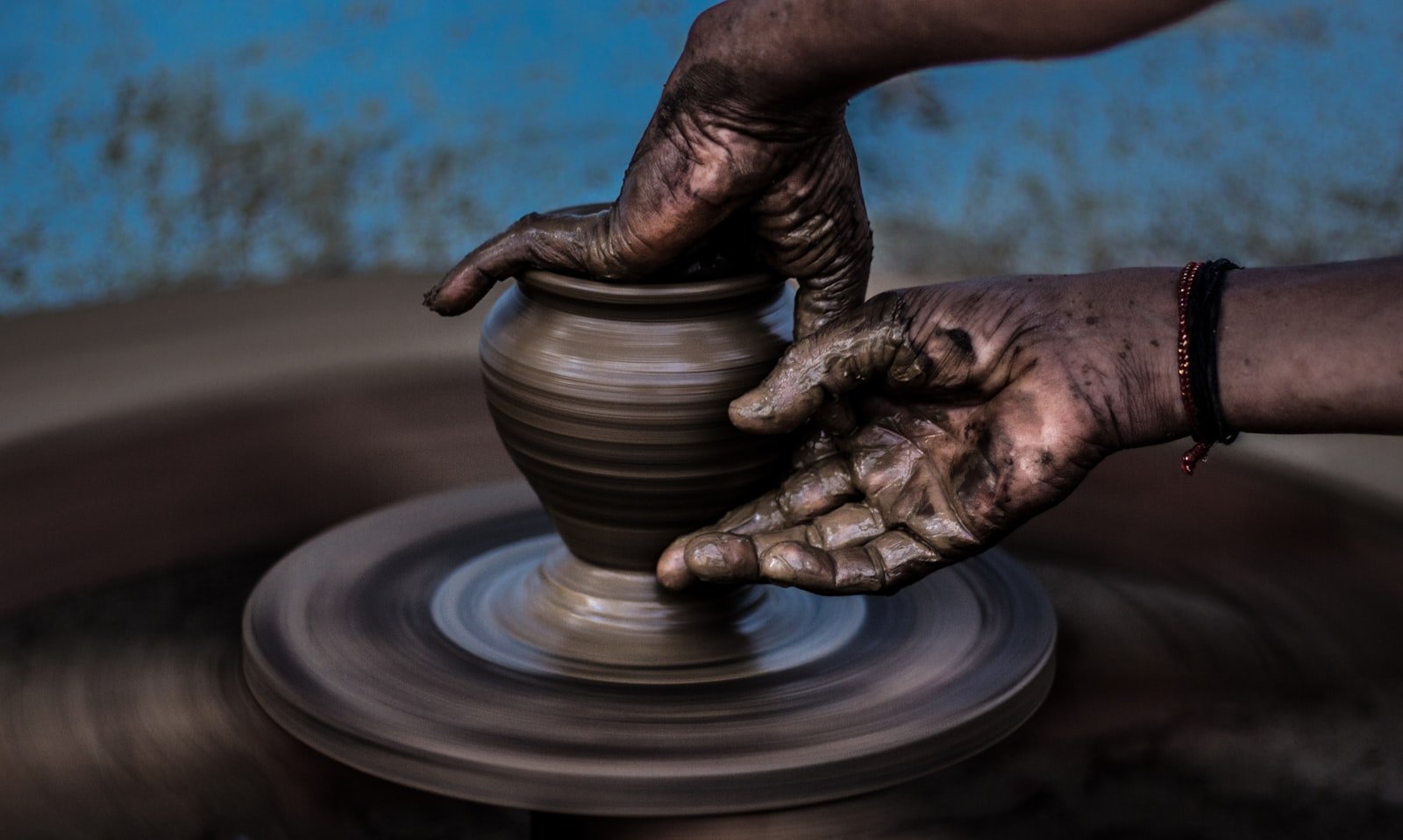
What effortless output cost us
Generative AI's real achievement was making output effortless. What took a designer an afternoon now takes a sentence and a few seconds. What made a writer sit and stare at a blank page now takes a text box and a rough instruction. That was sold as freedom, and in small ways it is.
But effort was never only a cost to be cut. It was also a signal. When something was hard to make, its existence told you a person had decided it was worth the hours, had made real choices along the way, and had thrown out the versions that did not work. Remove the effort and you lose that signal.
What fills the gap is what people have started calling slop. Slop is not bad the way a clumsy sketch is bad. It is competent, smooth and empty. The LinkedIn post that hits every beat and says nothing. The article header with the glowing blue brain wired up like a circuit board. The landing page where every sentence is correct and identical to ten thousand others. Slop is the smell of a rental car. Clean, inoffensive, and nobody's.
That is the part the efficiency pitch left out. What is scarce now is proof that a person cared: the hours, the small deliberate imperfections, the choice a machine playing the odds would never make. Effort has quietly become a luxury.
Why people are putting their hands back on the work
Ask a model for a thousand logo options and it delivers them in seconds. Ask which one is right and it has nothing but a shrug. That is the difference between production and taste, and it is not going away. Taste needs someone doing the judging, with a history behind them, a set of things they respond to, and an intention that comes before the work. A model brings none of that. It brings an average, and the average is usually the most forgettable thing in the room.
There is a quieter loss underneath. A lot of writers, illustrators and developers have spent the last couple of years learning that when they handed the making of a thing to a machine, they also handed over the thinking. The essay you never draft is the argument you never work out. The illustration you prompt instead of draw is a set of decisions you never learn to make. Give the work away and you give away the part where you figure out what you think, and the part that felt good.
Readers have caught up fast. They can hear the ChatGPT rhythm now, the same way an earlier generation learned to ignore banner ads. Designers spot the Midjourney gloss in a second. A generic template reads as an admission that nobody cared enough to do it properly. AI fatigue is not fear of the technology. It is a learned reaction to being handed the default and told it is the finished thing.
AI as the blueprint, humans as the architect
None of this puts the tool back in the box. The choice was never revolution or apocalypse. The honest answer is duller and more useful. The tool is good at the first half of the job.
AI is a strong wireframer, a patient brainstorming partner, a researcher that never tires, a way past the blank page. It builds the scaffold. It does not move in.
In web work you can already see the split. A model generates the boilerplate: the layout grid, the component structure, the accessible markup, the config files nobody enjoys writing. Then a designer takes over the part that decides whether the site is any good. The small interactions that make a button feel alive. The timing of a transition. The one odd colour that becomes the brand. The navigation rebuilt around how people actually think about the business. The machine delivers a house that meets code. The person makes it somewhere you would want to live.
Writing works the same way. Use the model to gather research, test an outline, summarise the argument you need to answer. Then close the tab and write it yourself, because the voice, the specific story, the sentence that runs long on purpose, the joke that only lands because of the line before it, are the reasons anyone reads you instead of a summary. The model can tell you what to cover. It cannot be the person the reader wants to hear from.
This is not a compromise. It is the work going where it belongs. Machines take the mechanical parts. People spend their attention where attention shows.
What is worth making now
The pushback against slop gets read as nostalgia, a craft-fair fondness for handmade things. It is sharper than that. The machine-made version of almost everything is now free and instant, and that makes the human version worth more, not less. Machine-woven cloth did not kill the hand-knotted rug. It turned it into a different kind of object.
What survives the flood is work with a person visibly in it. The brushstroke that is slightly off and better for it. The essay that argues its way to a position the writer did not hold at the start. The design that breaks its own grid because this one spot earned it. These used to be the ordinary texture of creative work. Now they are the point. They are the proof that someone was there, making choices.
AI will not replace human craft. It has done something more interesting. It has removed every excuse for making things carelessly, because careless is now the machine's job. What is left for people is the work that needs a point of view, and the messy, deliberate evidence that someone had one.